
For generations, hard-working Californians built the roads, ships, refineries, and homes that shaped our state. Unfortunately, many of those same workers were quietly exposed to asbestos—a dangerous, heat-resistant mineral widely used across industries.
While regulatory restrictions reduced its use over time, legacy materials remain in older structures and equipment today. Understanding which occupations carry the highest risk empowers California workers and their families to protect their health and know their rights.
Construction Workers and Renovators
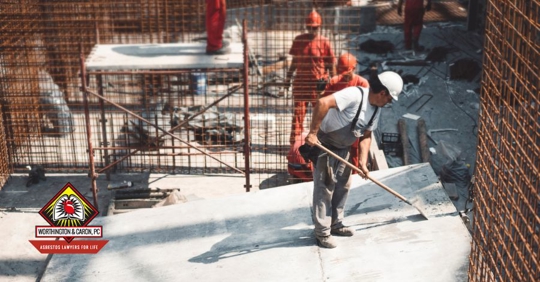
Construction trades represent the largest workforce historically exposed to asbestos. Prior to the 1980s, asbestos was routinely blended into drywall compound, insulation, roofing shingles, ceiling tiles, and floor adhesives.
Today, California drywallers, roofers, and general contractors face heightened risks during renovation, restoration, or demolition work on older homes and commercial buildings. Disturbing these materials releases microscopic fibers into the air, where they can be inhaled unnoticed.
Shipyard Workers and Military Veterans
California has a rich maritime history, home to major naval and commercial shipyards in San Diego, Long Beach, and the San Francisco Bay Area. Ships constructed between the 1930s and 1980s relied heavily on asbestos for insulation in engine rooms, boilers, and tight lower-deck compartments.
Because spaces below deck were often cramped and poorly ventilated, Navy veterans and shipyard tradesmen—such as boilermakers, pipefitters, and machinists—experienced some of the highest recorded levels of exposure.
Plumbers, Electricians, and Pipefitters
Trade specialists who maintain building systems frequently encounter legacy asbestos products.
- Plumbers and Pipefitters: Regularly work with or cut through older transite pipes, joint sealants, and thermal pipe insulation.
- Electricians: Can encounter asbestos-containing materials when threading wiring through older walls, attics, or switchgear components.
Even routine maintenance in older commercial properties or public utilities can accidentally disturb dormant fibers.
Industrial and Refinery Workers
From petroleum refineries along the coast to power stations across the Central Valley, industrial facilities used asbestos extensively for thermal protection. High-heat machinery like furnaces, steam turbines, and industrial boilers relied on heavy asbestos lagging and gaskets. Refinery operators, millwrights, and plant technicians working in these environments faced ongoing operational exposure.
Automotive Mechanics
Friction-resistant asbestos was a standard ingredient in vehicle brake pads, shoes, and clutch facings. Auto mechanics who clean out brake drums or replace worn clutch components on older vehicles can blow asbestos dust directly into their breathing zones if proper containment protocols aren't used.
Taking Action for Your Health and Future
Inhaling asbestos fibers can lead to serious conditions over time, including asbestosis, lung cancer, and mesothelioma. Because these illnesses often take decades to develop after initial exposure, recognizing your work history is crucial.
If you or a loved one was exposed to asbestos on the job and is now facing an asbestos-related diagnosis, you do not have to carry this burden alone. The dedicated legal team at Worthington & Caron, PC is deeply committed to supporting California families with compassionate, strong representation.
Contact us today at (800) 831-9399 to discuss your rights and learn how we can help secure the accountability and compensation you deserve.